
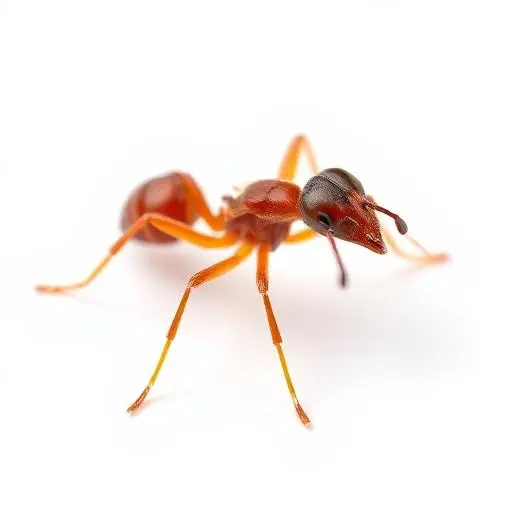
Red imported fire ant identification
Workers vary in size, generally about 1⁄16–¼ inch, with reddish-brown bodies and a darker abdomen. Two waist nodes and differences in worker size help distinguish them, but reliable identification may require magnification. Mounds can be loose, rounded soil accumulations without an obvious central entrance. Other ants also make soil piles, so do not test a nest by poking it or standing on it; rapid defensive activity is a hazard, not a recommended identification method.
Where you'll find it in Atlanta homes
They often nest in sunny lawns, garden borders, playground edges, and disturbed soil around Atlanta properties. Mounds may also occur beside driveways, utility boxes, or irrigated beds. Warm Georgia conditions favor foraging, and new or enlarged mounds often become noticeable after rain. During very hot or dry weather, colonies may stay deeper in the soil, so a yard can still have fire ants even when prominent mounds are not visible.
Prevention tips
- Keep children and pets away from active mounds.
- Wear closed shoes and gloves during yard work.
- Check play areas and garden beds before use.
- Avoid moving infested soil or nursery containers.
- Use only labeled fire-ant products and follow all application restrictions.
When to call a professional
Call when mounds affect play areas, walkways, or other frequently used spaces, or when activity is widespread. Allsect starts with an inspection to confirm the pest, locate activity, and identify conditions supporting it. Allsect would inspect the extent of activity and discuss labeled bait or mound-treatment options suited to the property; avoid disturbing nests while awaiting advice. You will receive an honest recommendation based on the findings, including whether monitoring or simple repairs may be enough.
Common questions
What should I do after fire ant stings?
Move away from the nest and brush off ants promptly, then wash the skin and avoid scratching or opening pustules. Seek medical advice for concerning symptoms or signs of infection. Trouble breathing, faintness, or swelling of the face or throat requires emergency care.
Will pouring household chemicals on a mound work?
Do not pour gasoline, bleach, or other household chemicals into a mound. These can injure people, contaminate soil, and create fire or chemical hazards without addressing the colony reliably. Use labeled fire-ant products as directed or request an inspection for a suitable plan.