Odorous house ant identification
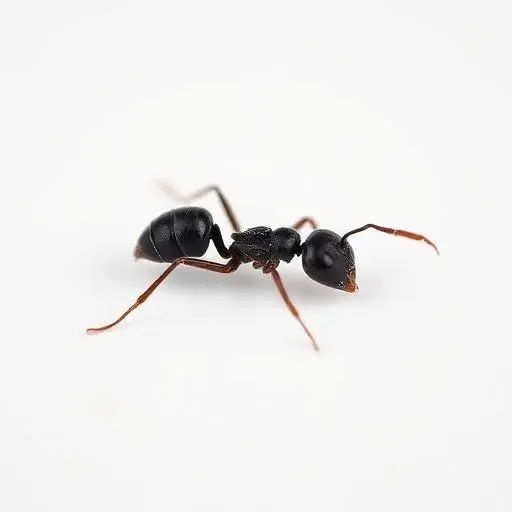
Workers are approximately ⅛ inch long, brown to nearly black, with an uneven-looking thorax in profile. Their single waist node is hidden by the abdomen when viewed from above. When crushed, they may release an odor described as rotten coconut, although smell is not a dependable identification test. Argentine ants and other small dark ants look similar without magnification. Trail behavior, nest locations, and a close examination of the waist help separate them.
Where you'll find it in Atlanta homes
In Atlanta homes, trails commonly reach kitchen counters, sinks, pet bowls, and bathroom plumbing. Outside, colonies shelter under stones, mulch, siding edges, and other protected materials; indoors they may use wall voids near warmth or moisture. Activity usually increases through Georgia’s warm months, but heated homes can support winter sightings. Heavy rain, drought, or changes in food availability may shift trails indoors and make a previously hidden colony more noticeable.
Prevention tips
- Wipe up sweet spills and rinse recycling containers.
- Store pet food and pantry goods in sealed containers.
- Fix moisture problems near sinks and windows.
- Seal entry cracks after active routes have been assessed.
- Keep vegetation from touching siding and window frames.
When to call a professional
Call when trails return in several rooms, activity persists after sanitation, or nests seem hidden in walls. Allsect starts with an inspection to confirm the pest, locate activity, and identify conditions supporting it. Allsect may recommend appropriately selected baits and entry-point work; treating trails blindly can miss interconnected nesting sites. You will receive an honest recommendation based on the findings, including whether monitoring or simple repairs may be enough.
Common questions
Why do they keep returning after I wipe the counter?
Cleaning removes food residue and disrupts trails temporarily, but workers may establish new routes from a nearby nest. Look for moisture, food sources, and entry gaps. Persistent activity calls for identification and a plan that addresses the colony rather than only visible ants.
Should I spray an ant trail?
A spray may kill exposed workers without reaching the colony, and some products can disrupt bait acceptance. Avoid spraying near bait placements. Follow label directions, keep products away from children and pets, and ask for identification if the trail repeatedly returns.