
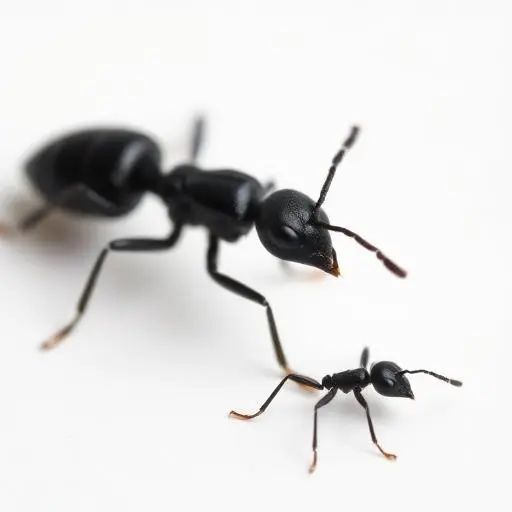
Little black ant identification
Workers are very small, generally around 1⁄16 inch long, with shiny dark brown to black bodies. They have two waist nodes and antennae ending in a three-segmented club, features usually requiring magnification to see clearly. Other tiny ants can appear almost identical to the unaided eye. Dark color and small size alone are not enough for identification, especially when photos are blurry or the ants are moving along a shadowed cabinet seam.
Where you'll find it in Atlanta homes
Outdoor nests may occur beneath stones, in soil, rotting wood, or sheltered landscape debris around Atlanta properties. Workers can enter kitchens, pantries, and bathrooms seeking sweets, grease, or moisture, and some colonies occupy wall voids or masonry gaps. Warm Georgia weather encourages foraging from spring into fall. Rain and changing outdoor food supplies can alter trails, while access to indoor warmth and food can allow activity beyond the main outdoor season.
Prevention tips
- Remove crumbs and grease from cabinet edges.
- Seal pantry goods and clean pet feeding areas.
- Repair small leaks around sinks and appliances.
- Reduce debris and wood scraps beside foundations.
- Record entry routes before sealing accessible cracks.
When to call a professional
Call when tiny dark ants repeatedly enter food areas or reappear after basic cleanup and exclusion. Allsect starts with an inspection to confirm the pest, locate activity, and identify conditions supporting it. Allsect would confirm identification before choosing bait or other targeted measures, since similar-looking tiny ants can require different management decisions. You will receive an honest recommendation based on the findings, including whether monitoring or simple repairs may be enough.
Common questions
Are all tiny black ants the same species?
No; several small ants can look black from above, especially without magnification. Waist nodes, antennae, and body shape help distinguish them. A sharp close-up or a few intact specimens can prevent choosing a product or strategy for the wrong pest.
Why are they in clean kitchen cabinets?
A small spill, grease film, pet food, or nearby moisture may support foraging even in a well-kept kitchen. Trails can also pass through cabinets en route elsewhere. Follow the route carefully and inspect cracks rather than assuming cleanliness alone explains the problem.