Smokybrown & American Roach Control in Atlanta
Large roaches showing up in the bathroom, garage or upstairs hallway usually aren't living in your kitchen — they're coming in from outside. In Atlanta, the most common culprits are smokybrown and American cockroaches.
Our approach focuses on where these roaches live outdoors and how they're getting in: moisture, exterior harborage, attics, rooflines, landscaping and structural openings.
- Exterior & entry-point focus
- Attic and roofline awareness
- Recurring service, no contracts
The large roaches entering Atlanta homes
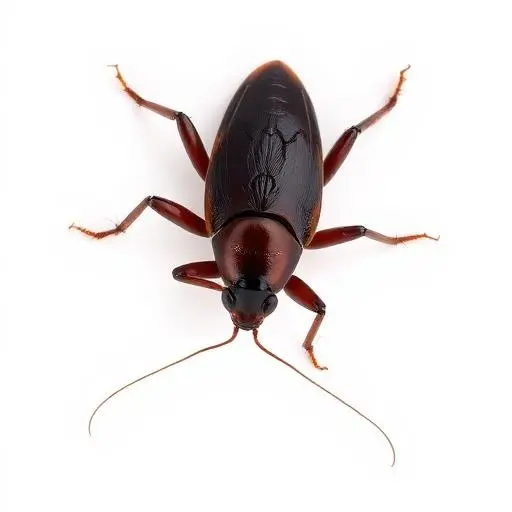
Smokybrown cockroach
About 1¼ to 1½ inches, shiny and uniformly dark mahogany. Strong flyers that are drawn to lights. They lose moisture easily, so they stay close to damp, shaded areas — tree holes, gutters, ivy, mulch and attics.
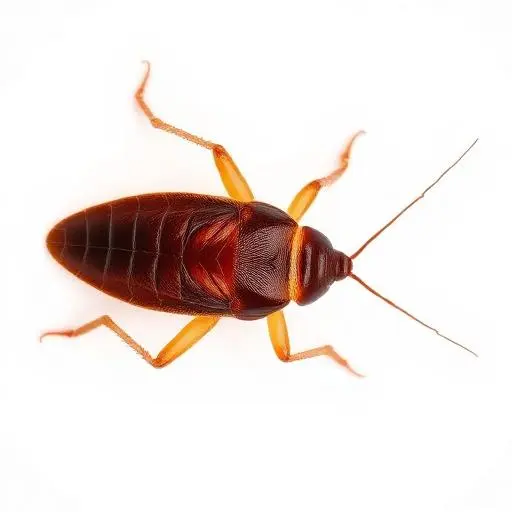
American cockroach
The largest common house roach, around 1½ to 2 inches, reddish-brown with a pale band behind the head. Often called a palmetto bug, it lives in sewers, drains, crawl spaces and basements.
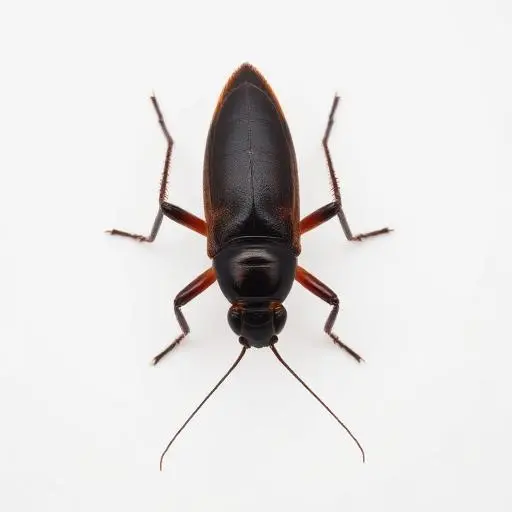
Oriental cockroach
Dark and nearly black, about an inch long. Less common, but found in cool, damp spots like drains, basements and soil near the foundation.
Why moisture and exterior harborage matter
Smokybrown and American roaches need moisture to survive. Atlanta's humid summers, mature tree canopy and heavy mulch beds give them plenty of places to live right next to the house.
When conditions change — heavy rain, dry spells or cooler nights — they move toward the stable shelter your home provides.
- Clogged gutters and damp roof edges
- Thick mulch, leaf litter, ivy and ground cover against the foundation
- Tree holes, firewood and stacked materials
- Crawl spaces, drains and areas with standing water
Attics, rooflines and structural openings
Smokybrown roaches in particular often enter from above. Overhanging branches give them a path to the roof, and from there they find gaps at soffits, attic vents and roofline transitions.
That's why roaches can appear upstairs or in bathrooms even when there's no activity in the kitchen — and why treating only baseboards may not solve the problem.
- Gaps at soffits, fascia boards and attic vents
- Openings around plumbing vents and utility lines
- Worn door sweeps, garage door seals and window screens
- Weep holes, foundation cracks and crawl space vents
Ready for an inspection?
Honest advice and upfront pricing. No long-term contracts.
Inspection, treatment and prevention
- 01
Exterior inspection
We look at gutters, landscaping, the roofline and the foundation to find where roaches are living and how they're getting in.
- 02
Targeted exterior treatment
Treatments are applied to harborage areas and entry points around the structure, with granular or bait products where appropriate.
- 03
Interior and attic attention
When needed, we treat the voids, crawl spaces, attics and plumbing areas where these roaches shelter after they get inside.
- 04
Prevention recommendations
We point out practical fixes — trimming branches, pulling mulch back, cleaning gutters, sealing gaps — that reduce future activity.
Large roaches don't mean your home is dirty
Finding a smokybrown or American roach inside doesn't automatically point to a sanitation problem. These roaches enter very clean homes because they're looking for moisture and shelter.
Recurring pest control is usually the right fit for outdoor-associated roaches: regular exterior treatment helps reduce the number that make it inside. If you're seeing small roaches in the kitchen instead, that's more likely a German roach issue, which needs a different program.
Frequently asked questions
Are smokybrown roaches the same as palmetto bugs?
"Palmetto bug" is a nickname people use for several large roaches. In Atlanta it usually refers to American or smokybrown cockroaches.
Why do large roaches show up after it rains?
Heavy rain can flood the drains, mulch and soil where these roaches live, pushing them toward drier shelter — often your home.
Will one treatment keep them out for good?
Because these roaches live outdoors, new ones can arrive over time. Recurring exterior service, along with sealing entry points and reducing moisture, gives the most consistent results.
Serving Atlanta's tree-lined neighborhoods
Mature trees and older homes make large roaches common in neighborhoods like West End, Grant Park, East Atlanta and Decatur. We serve homes within about 10 miles of our West End office — check your ZIP on our service area page.
Office hours: Mon–Fri, 7am–5pm
Related roach control services
Roach Control in Atlanta
Inspection-based control for every common Atlanta roach.
Learn moreGerman Roach Treatment
Specialized baiting and follow-up for indoor infestations.
Learn moreHelpful roach articles
- How Smokybrown Roaches Enter Atlanta Homes
- German Roaches vs. American Roaches: How to Tell the Difference
- Why August Into Fall Can Be One of the Toughest Times for Roaches in Atlanta
Pest problem? Let's solve it — no long term locked in contracts required.
Tell us what's going on and get a fast, honest quote. Friendly, local service from a team that treats your home like our own.