
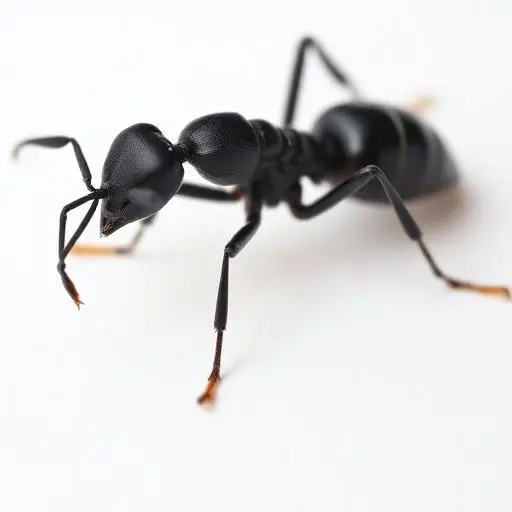
Carpenter ant identification
Workers vary substantially in size, commonly about ¼–½ inch, and may be black, reddish, or a combination depending on species. In side view, the thorax has a smoothly rounded outline, and the waist has one node. Elbowed antennae and a narrow waist distinguish winged ants from termites, which have straighter antennae and broad waists. Large size alone does not prove carpenter ant identity; other ants and isolated winged insects can be misleading without a close look.
Where you'll find it in Atlanta homes
In Atlanta yards, carpenter ants nest in decaying trees, stumps, logs, and sometimes sheltered structural wood. Indoors, inspect around roof leaks, windows, plumbing, decks, and damp crawl-space framing. Parent nests often favor moist wood, while satellite nests may occupy drier voids. Foraging is frequently noticed at night during warm Georgia weather, and spring or summer winged ants can draw attention to a nest that was previously concealed.
Prevention tips
- Repair roof, window, and plumbing leaks promptly.
- Replace decayed wood after correcting the moisture source.
- Keep firewood elevated and away from the house.
- Trim limbs touching roofs or siding.
- Photograph debris and trails before cleaning them away.
When to call a professional
Call for recurring large ants indoors, coarse wood shavings, or winged ants emerging from structural areas. Allsect starts with an inspection to confirm the pest, locate activity, and identify conditions supporting it. Allsect would trace activity and inspect susceptible wood before recommending targeted treatment; moisture repairs or a separate structural assessment may also be appropriate. You will receive an honest recommendation based on the findings, including whether monitoring or simple repairs may be enough.
Common questions
Do carpenter ants eat my house?
They excavate galleries for nesting rather than feeding on wood. Their presence can still signal damaged or vulnerable framing, especially where moisture is involved. Finding the nest and repairing the conditions that support it are more useful than judging risk from one ant.
How can I tell carpenter ants from termites?
Ants have elbowed antennae, a pinched waist, and front wings longer than the hind wings. Termites have a broad waist, straighter antennae, and wings of similar length. Preserve a specimen or clear photo because scattered wings and damaged insects are harder to identify.