
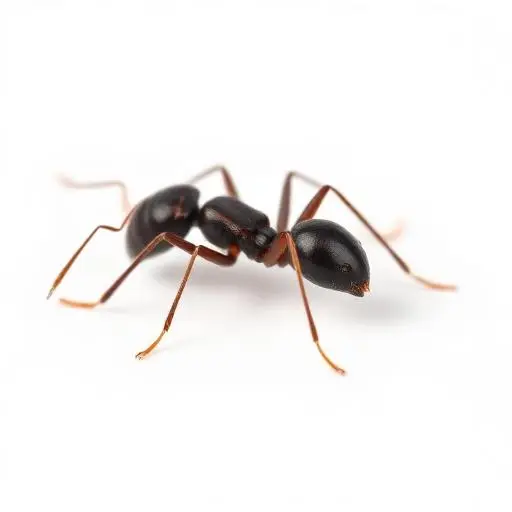
Pavement ant identification
Workers are about ⅛ inch long, usually brown to dark brown, with two waist nodes and small spines at the rear of the thorax. Fine grooves on the head and thorax are useful identifying features under magnification. They may look like little black ants or other small pavement-foraging species without a close examination. Winged reproductive ants are larger than workers, and their appearance alone should not be mistaken for evidence of termites.
Where you'll find it in Atlanta homes
Look at driveway joints, sidewalk cracks, patio edges, slab gaps, and foundation interfaces around Atlanta homes. Workers may enter kitchens or ground-level rooms through expansion joints and utility openings while seeking sugary or greasy foods. Activity is most obvious during warmer Georgia weather, although sheltered nests near heated structures may remain active in cooler periods. Small piles of displaced soil can appear after nesting activity or weather changes but are not definitive identification.
Prevention tips
- Sweep food debris from patios and kitchen floors.
- Seal accessible slab and foundation entry gaps.
- Store pantry food and pet food in closed containers.
- Avoid leaving food scraps near exterior doors.
- Photograph soil piles and trails before disturbing them.
When to call a professional
Call for recurring indoor trails, repeated winged ants indoors, or activity concentrated around inaccessible slab openings. Allsect starts with an inspection to confirm the pest, locate activity, and identify conditions supporting it. Allsect would inspect entry routes and likely nest areas before recommending baiting or targeted treatment rather than treating every pavement crack without evidence. You will receive an honest recommendation based on the findings, including whether monitoring or simple repairs may be enough.
Common questions
Are ants under the sidewalk damaging the concrete?
Pavement ants generally use existing soil spaces and cracks rather than eating concrete. Small soil piles do not by themselves indicate structural damage. If slabs are shifting or settling, have the construction or drainage issue assessed separately from the ant activity.
Why do winged ants appear indoors?
Winged ants are reproductive adults that may emerge from a nearby colony or enter from outside. Repeated emergence from one interior gap deserves inspection. Keep a specimen to distinguish ants from termites before assuming the cause or choosing treatment.