
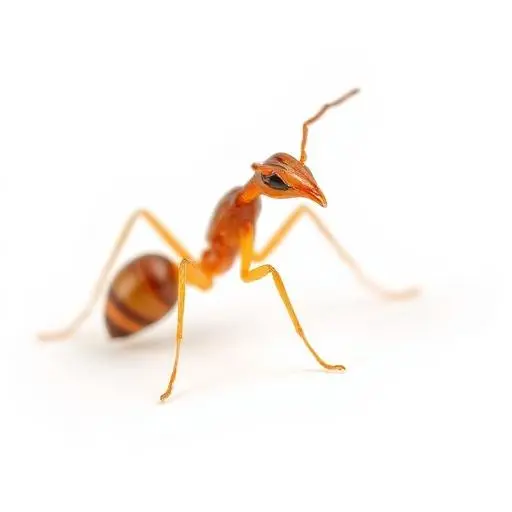
Argentine ant identification
Workers are small, usually around ⅛ inch long, and light to dark brown with slender bodies. They have one upright waist node and lack the obvious thoracic spines found on some other ants. Workers are similar in size and often travel along well-defined trails. Odorous house ants can look very similar, so color and trail length alone cannot confirm identity. Magnification and examination of the waist and body profile are often needed for a reliable distinction.
Where you'll find it in Atlanta homes
Look along foundations, irrigation lines, mulched beds, branches touching the house, and routes leading to kitchen or bathroom moisture. Nests are often shallow and located beneath landscaping materials or other protected objects. Georgia’s warm weather supports outdoor foraging, while very wet or dry conditions can move activity toward buildings. Indoor trails may persist where food and water remain available, especially when connected outdoor nests extend beyond one small section of the yard.
Prevention tips
- Repair irrigation leaks and avoid watering against the foundation.
- Trim plant bridges away from the house.
- Clean sugary spills and keep food containers sealed.
- Remove debris that shelters shallow nests beside walls.
- Avoid spraying over bait or mixing control products without guidance.
When to call a professional
Call for heavy, recurring trails around several sides of the home or ants that keep shifting entry points. Allsect starts with an inspection to confirm the pest, locate activity, and identify conditions supporting it. Allsect would assess indoor and outdoor routes before recommending baiting, habitat changes, or a broader coordinated approach where connected nesting areas are involved. You will receive an honest recommendation based on the findings, including whether monitoring or simple repairs may be enough.
Common questions
Why are there so many ants along the foundation?
Argentine ants can use multiple connected nests and maintain large trails between food and shelter. A busy foundation trail may reflect activity beyond the nearest entry crack. Identification and inspection of landscaping, moisture, and indoor access points help guide management.
Can my neighbor’s yard affect my ant problem?
Yes, interconnected outdoor activity can cross property boundaries, so one small treatment area may not address all contributing nests. That does not automatically mean every neighbor needs treatment. An inspection can clarify likely sources and whether coordinated changes would be helpful.