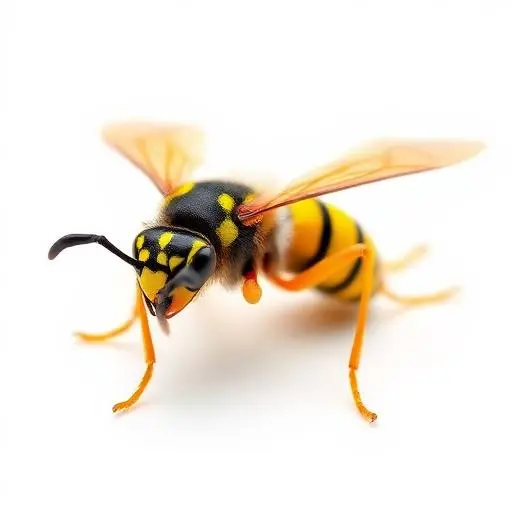
Yellowjacket identification
Most workers are about ⅜–⅝ inch long, with compact bodies, a narrow waist, and sharply contrasting black-and-yellow markings. They look smoother and less hairy than honey bees, although a moving insect can be difficult to judge. Unlike the exposed comb of paper wasps, yellowjacket combs are enclosed or hidden. Species differ in markings and nest placement, so observe flight paths from well back rather than following workers closely to an entrance.
Where you'll find it in Atlanta homes
In Atlanta yards, nests may occupy abandoned animal burrows, landscape voids, wall cavities, or protected structural spaces. Workers also visit trash cans, dropped fruit, and outdoor meals. Colonies develop through spring and summer, with larger populations and food-related encounters often noticeable in late summer and fall. Georgia’s mild periods can prolong activity; mowing or edging near a concealed ground nest may provoke defensive workers even when no paper nest is visible.
Prevention tips
- Keep outdoor trash covered and rinse food containers.
- Pick up fallen fruit and clear picnic leftovers promptly.
- Watch for repeated wasp traffic before mowing or trimming.
- Keep people and pets away from suspected ground entrances.
- Do not seal an active wall entrance or pour liquids into a nest.
When to call a professional
Call for steady traffic into a ground hole or wall gap, especially beside paths or occupied rooms. Allsect starts with an inspection to confirm the pest, locate activity, and identify conditions supporting it. Allsect would inspect from a safe position and recommend nest-specific management; sealing an active wall nest prematurely can redirect wasps indoors. You will receive an honest recommendation based on the findings, including whether monitoring or simple repairs may be enough.
Common questions
Can I plug the hole where they enter the siding?
Do not seal an active entrance before the colony has been assessed and managed. Wasps may seek another route, including openings into the house. Keep the area clear and share the location and observed flight pattern with a professional from a safe distance.
What should I do if a nest is disturbed?
Move away promptly toward shelter without swatting or stopping to retrieve tools. Yellowjackets can sting repeatedly. Seek medical advice after multiple stings or concerning symptoms, and obtain emergency care for breathing difficulty, faintness, or facial or throat swelling.