
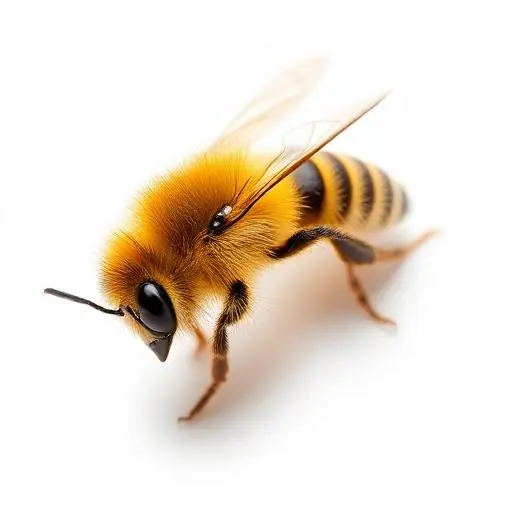
Honey bee identification
Workers are usually about ½–⅝ inch long, with hairy thoraxes and amber-brown to dark abdomens bearing darker bands. Color varies, so fuzziness, body shape, and pollen carried on the hind legs can help distinguish them from smoother yellowjackets. A swarm often looks like a dense cluster of bees hanging from a branch or structure. Steady traffic into a wall opening may indicate an established colony instead; keep your distance rather than opening the cavity.
Where you'll find it in Atlanta homes
In Atlanta yards, honey bees visit flowering trees, gardens, and water sources during suitable weather. Swarms commonly appear during spring and may also occur later in the warm season. Colonies can occupy hollow trees, wall voids, chimneys, or other protected cavities. Georgia’s mild winter days may allow some outdoor flight, so winter activity is possible. A temporary cluster is different from a colony with comb, honey, and brood inside a building.
Prevention tips
- Keep people and pets away from clusters and occupied entrances.
- Contact a local beekeeper who collects swarms or removes colonies.
- Do not spray bees, flood cavities, or seal active entrances.
- Repair accessible building gaps after bees and comb are appropriately removed.
- Keep sweet drinks covered during outdoor activities.
When to call a professional
Seek help when a swarm settles near people or bees repeatedly enter a building cavity. Allsect starts with an inspection to confirm the pest, locate activity, and identify conditions supporting it. Allsect would inspect or review the situation first and honestly recommend a local beekeeper for swarm collection or colony removal rather than extermination; structural colonies may need comb removal and repairs. You will receive an honest recommendation based on the findings, including whether monitoring or simple repairs may be enough.
Common questions
Will a swarm leave on its own?
Some swarms move on after scouts locate a nesting cavity, but the timing is unpredictable and the location may create a safety concern. Keep your distance and contact a local beekeeper for collection advice rather than spraying, shaking, or attempting to relocate it yourself.
What if bees are entering my wall?
Do not seal the entrance or spray into the cavity. Contact a beekeeper experienced in structural colony removal, because comb and honey may need removal along with the bees. For a sting with breathing difficulty, faintness, or throat swelling, seek emergency medical care.