
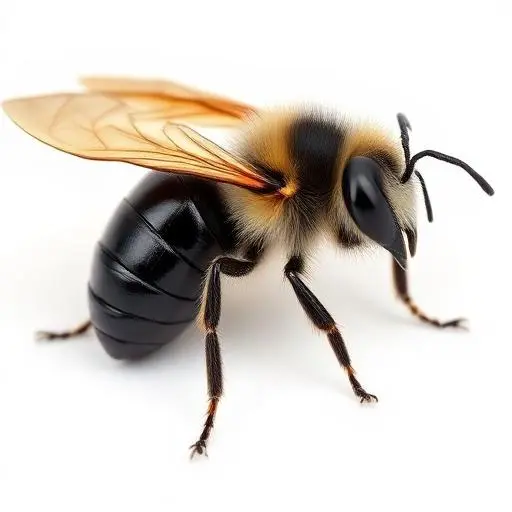
Carpenter bee identification
The eastern carpenter bee is a large, sturdy bee, usually about ¾–1 inch long, with a fuzzy yellow-and-black thorax and a mostly shiny, hairless black abdomen. Bumble bees generally have a hairy abdomen instead. Males often have a pale facial patch and hover near nesting areas; they cannot sting. Females can sting if handled or trapped. Round entrance holes about ½ inch across, sometimes with coarse sawdust below, are characteristic clues to nesting activity.
Where you'll find it in Atlanta homes
Look at exposed deck framing, railings, fascia, fence rails, and porch ceilings around Atlanta homes. Unpainted or weathered wood is particularly attractive, although coated wood is not always avoided. Adults commonly become noticeable in spring as Georgia warms, with fresh boring dust and hovering near established sites. Tunnels can be reused or expanded, and woodpecker feeding may enlarge damage. Inspect sheltered undersides of boards as well as more obvious exterior surfaces.
Prevention tips
- Maintain painted finishes on exposed exterior wood.
- Inspect deck and porch undersides for fresh holes and sawdust.
- Use less susceptible materials when replacing repeatedly affected trim.
- Avoid handling bees or swatting hovering males.
- Repair old galleries after occupancy has been assessed and addressed.
When to call a professional
Call for fresh boring in structural wood, repeated seasonal activity, or damage expanded by woodpeckers. Allsect starts with an inspection to confirm the pest, locate activity, and identify conditions supporting it. Allsect would inspect gallery activity and wood condition before recommending targeted management and repairs; extensive deterioration may require evaluation by a qualified repair professional. You will receive an honest recommendation based on the findings, including whether monitoring or simple repairs may be enough.
Common questions
Why does a bee hover in front of me?
Male carpenter bees often hover near nesting areas and may approach people, but they cannot sting. Females can sting if handled or trapped. Give the bees space, avoid swatting, and assess nearby wood for nesting rather than judging damage from hovering alone.
Should I plug the round holes immediately?
Avoid plugging fresh holes without checking whether galleries are occupied. An appropriate plan addresses active nesting and then repairs openings at a suitable time. Paint and maintenance help reduce future use, but no wood finish should be treated as a guaranteed barrier.