Paper wasp identification
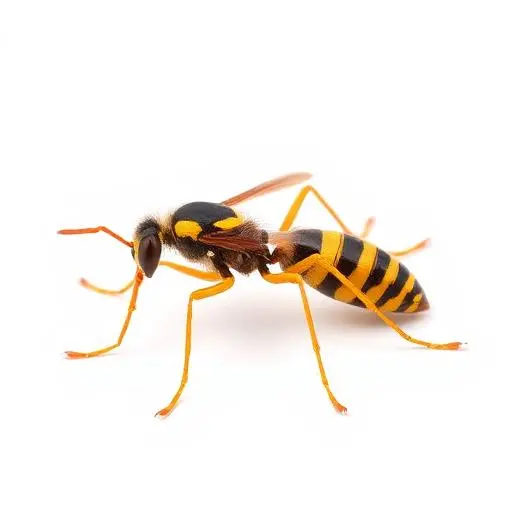
Adults are slender wasps, often about ¾–1 inch long, with a narrow waist and long legs that dangle during flight. Color varies by species, including reddish brown, dark brown, and yellow markings. Their open paper comb has visible hexagonal cells and usually hangs from a short stalk. Yellowjackets are generally stockier and commonly conceal their combs within an enclosure or cavity. Identification should be made from a safe distance rather than by approaching an occupied nest.
Where you'll find it in Atlanta homes
Around Atlanta homes, nests appear under eaves, porch ceilings, deck rails, outdoor furniture, and sheltered shed edges. Queens begin new colonies in spring, and worker activity typically becomes more noticeable through summer. Georgia’s long warm season can extend encounters around outdoor living spaces. In cool weather, sheltered females may enter protected gaps to overwinter, while old exposed combs do not necessarily mean the colony is still active.
Prevention tips
- Inspect sheltered porch areas from a safe distance in spring.
- Seal building gaps only after confirming they are not active nest entrances.
- Keep outdoor food and sweet drinks covered.
- Avoid striking nests or directing water at them.
- Keep children and pets away from occupied combs.
When to call a professional
Call when a nest is near an entry, seating area, or anyone with a sting allergy. Allsect starts with an inspection to confirm the pest, locate activity, and identify conditions supporting it. Allsect would inspect nest activity and access before recommending management or leaving a low-risk nest undisturbed; do not attempt ladder-based nest removal. You will receive an honest recommendation based on the findings, including whether monitoring or simple repairs may be enough.
Common questions
Do all paper wasp nests need removal?
Not necessarily; a nest well away from regular activity may be left alone because paper wasps prey on other insects. Location, exposure, and household allergy concerns matter. Do not approach closely to decide; professional assessment is appropriate when the risk is unclear.
What if I am stung?
Leave the area calmly, wash the site, and apply a cold compress. Seek medical advice for worsening symptoms, multiple stings, or concerns about allergy. Trouble breathing, faintness, or swelling of the face or throat is an emergency requiring immediate care.