European hornet identification
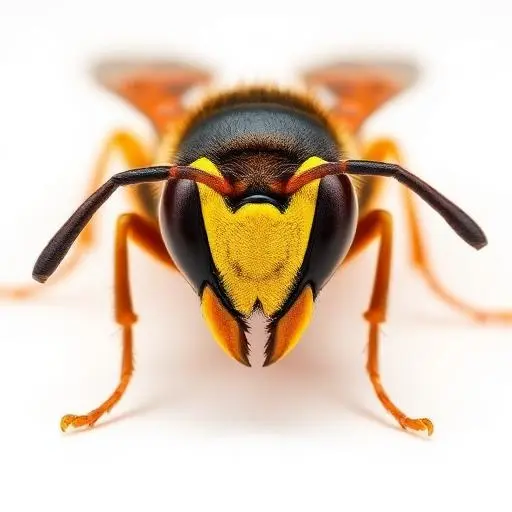
Workers are generally about 1–1⅓ inches long, with a reddish-brown head and thorax and a yellow abdomen marked with dark bands or teardrop-like shapes. Queens can be larger. Their size can cause confusion with cicada killers or other large wasps; European hornets have a different abdominal pattern and social nesting behavior. Color viewed under porch lighting may be misleading. Use a clear photograph taken from a safe distance rather than capturing a live insect.
Where you'll find it in Atlanta homes
Around Atlanta, colonies may occupy hollow trees, wall voids, outbuildings, and other protected cavities. Adults hunt insects and may feed on sap or ripe fruit; some gather at illuminated windows and porches after dark. Warm Georgia weather supports colony development from spring into fall. Repeated flights through one tree or siding opening deserve attention, particularly near doors, while a single individual at a light does not establish where a nest is located.
Prevention tips
- Reduce unnecessary porch lighting near open doors at night.
- Keep window screens intact and doors closed.
- Collect fallen fruit near outdoor gathering areas.
- Avoid inspecting hollow trees by reaching inside.
- Do not seal an opening with active hornet traffic.
When to call a professional
Call for repeated hornet traffic into a tree or building cavity near regularly used areas. Allsect starts with an inspection to confirm the pest, locate activity, and identify conditions supporting it. Allsect would confirm the insect and assess nest access before recommending management; cavity nests require planning rather than spraying at a few foraging workers. You will receive an honest recommendation based on the findings, including whether monitoring or simple repairs may be enough.
Common questions
Why is a hornet at my porch light after dark?
European hornets can be active at night and are attracted to lights. One visitor does not necessarily mean a nest is inside the wall. Keep doors closed, reduce unnecessary lighting, and watch from indoors for repeated traffic to a specific opening.
What should I do after a sting?
Leave the area, wash the site, and use a cold compress. Seek medical advice for worsening pain or swelling, multiple stings, or other concerning symptoms. Breathing trouble, faintness, or facial or throat swelling requires emergency medical care immediately.